


Monetary Policy in Iraq: The Central Bank’s Blueprint for Stability and Reform
While mobile phones undoubtedly provide countless benefits and conveniences, their excessive and improper use brings with it a variety of negative effects and challenges that are often overlooked.

Introduction
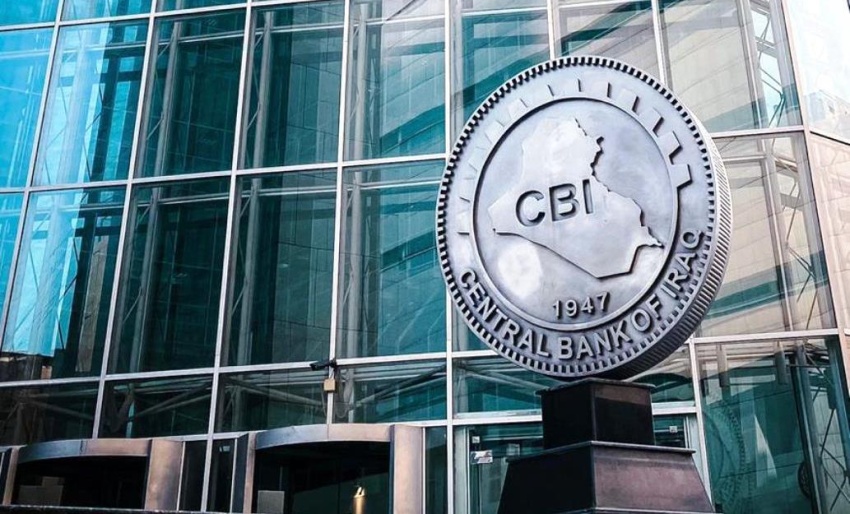
The Central Bank of Iraq (CBI) stands as the guardian of the nation’s financial system. In an economy heavily reliant on oil exports, the CBI’s role extends beyond traditional inflation targeting; it is the primary manager of foreign exchange reserves and the architect of Iraq’s transition from a cash-based society to a regulated, digital financial environment.
Table Of Content
The Exchange Rate Framework
The most scrutinized aspect of the CBI’s policy is the management of the Iraqi Dinar (IQD) against the US Dollar (USD).
- The Official Rate: The CBI maintains an official exchange rate to provide price stability for essential goods and government contracts.
- The Electronic Platform (The “Window”): To align with international standards, the CBI has implemented rigorous electronic platforms for dollar sales. This ensures that foreign currency reaches legitimate importers and prevents illicit financial flows.
- The Spread: A key focus for the CBI is narrowing the gap between the official rate and the parallel market rate through enhanced liquidity measures and banking reforms.
Strategic Objectives of the CBI
- Inflation Control: Through its interest rate policy and reserve requirements, the CBI aims to keep inflation within single digits to protect the purchasing power of Iraqi citizens.
- Financial Inclusion & Digitalization: The CBI is aggressively pushing the “National Payments System.” By mandating electronic payments for government services and encouraging the use of POS terminals, the bank aims to bring the “under-the-mattress” cash into the formal banking circuit.
- Strengthening Foreign Reserves: As of 2024-2025, Iraq’s foreign reserves have reached historic highs, providing a robust cushion against global oil price shocks and bolstering the credibility of the Dinar.
Banking Supervision and Compliance
Under the guidance of the CBI, the Iraqi banking sector is undergoing a “Compliance Revolution”:
- AML/CFT Standards: The CBI has strengthened Anti-Money Laundering and Counter-Financing of Terrorism (AML/CFT) regulations to reintegrate Iraq into the global correspondent banking network.
- Banking Consolidation: The CBI is encouraging smaller private banks to merge or increase their capital, creating stronger, more resilient financial institutions capable of supporting large-scale infrastructure projects.
The “Electronic Dinar” and Future Innovation
The CBI is actively exploring the potential for a Central Bank Digital Currency (CBDC) or “Digital Dinar.” This initiative aims to:
- Reduce the costs of physical cash management.
- Enhance the speed and transparency of domestic and cross-border transactions.
- Provide a secure platform for the burgeoning FinTech ecosystem in Iraq.
Strategic Outlook for Investors
For Nidaba Capital Hub readers, the CBI’s current trajectory suggests a more transparent and predictable financial environment.
- Stability: High reserves indicate a low risk of sudden currency collapse.
- Opportunity: The push for digitalization opens the door for investments in payment gateways, cybersecurity, and digital banking platforms.
- Credit Growth: As the CBI stabilizes the environment, the focus is shifting toward activating the “Credit Market,” allowing banks to move from currency exchange to genuine commercial lending.
Conclusion
The Central Bank of Iraq is no longer just a “currency auctioneer.” It has evolved into a proactive regulator focused on modernization and international integration. While challenges in exchange rate volatility remain, the CBI’s commitment to digital transformation and global compliance standards is laying the groundwork for a more sophisticated and investable Iraqi economy.
Author


No Comment! Be the first one.