



Iraq’s Agricultural Renaissance: From Fertile Crescent to AgriTech Frontier
While mobile phones undoubtedly provide countless benefits and conveniences, their excessive and improper use brings with it a variety of negative effects and challenges that are often overlooked.

Introduction
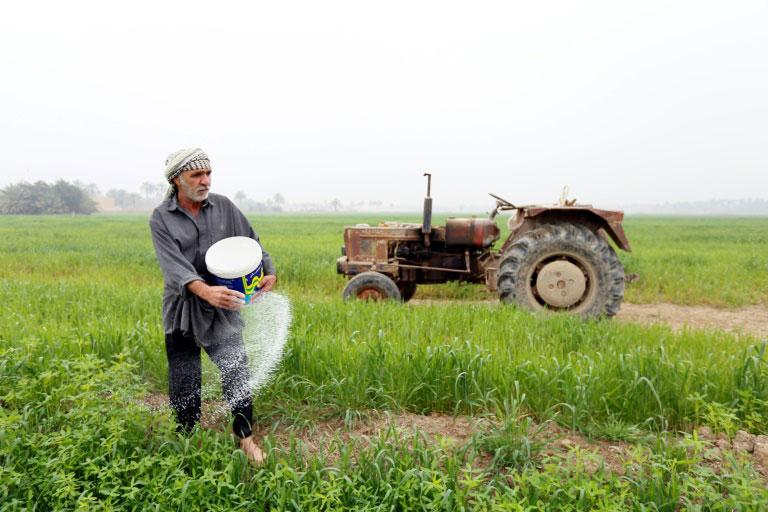
Agriculture is deeply rooted in Iraq’s identity, once earning it the title of the “Fertile Crescent.” While oil dominates the GDP, agriculture remains the second-largest contributor and a vital source of employment. Today, the sector is undergoing a critical transformation, driven by the need for food security and the urgent challenge of climate change.
Table Of Content
Current Landscape: Challenges as Catalysts
The Iraqi agricultural sector faces significant headwinds, but these challenges are creating a massive market for innovation:
- Water Scarcity: Declining water levels in the Tigris and Euphrates have made traditional flood irrigation unsustainable.
- Modernization Gap: There is a high demand for mechanized farming, modern silos, and advanced cold-chain logistics to reduce post-harvest losses.
The Pivot to Sustainable Technology (AgriTech)
To combat environmental pressures, Iraq is aggressively moving toward smart farming. This shift represents a primary interest for private equity and strategic investors:
- Smart Irrigation: Transitioning from traditional methods to pivot irrigation, drip systems, and AI-powered water management.
- Protected Agriculture: A surge in greenhouse farming to extend growing seasons and protect crops from extreme heat.
- Digital Supply Chains: New startups are emerging to connect farmers directly with urban markets, improving transparency and profit margins.
Strategic Crops and Food Security
The government continues to support strategic crops like wheat and barley through subsidized inputs and guaranteed purchase prices. However, there is growing investment potential in high-value crops, including:
- Dates: Reclaiming Iraq’s position as a global leader in premium date exports.
- Poultry and Livestock: Expanding domestic production to meet the rising local demand for protein and reduce the import bill.
Investment Opportunities for Nidaba Readers
For investors looking at the Iraqi market, the “Green Sector” offers several high-potential entry points:
- Fertilizer and Seed Technology: Developing climate-resilient seeds and specialized fertilizers suited for Iraqi soil.
- Food Processing: Moving from raw production to value-added products (canning, dairy processing, and packaging).
- Renewable Energy in Farming: Integrating solar power to operate irrigation pumps and cooling facilities in rural areas.
Conclusion
Iraq’s agricultural sector is no longer just about the heritage of the past; it is about the technology of the future. The convergence of government support, international expertise, and the necessity for food sovereignty makes this an opportune time for investment. By blending ancient fertile lands with modern AgriTech, Iraq is setting the stage for a sustainable economic harvest.
Author


No Comment! Be the first one.