


Iraq’s Energy Sector: Beyond Oil Recovery and Towards a Diversified Future
As the holder of the world’s fifth-largest proven oil reserves, Iraq’s energy sector is the indisputable backbone of its national economy, contributing over 90% of government revenue. However, the...

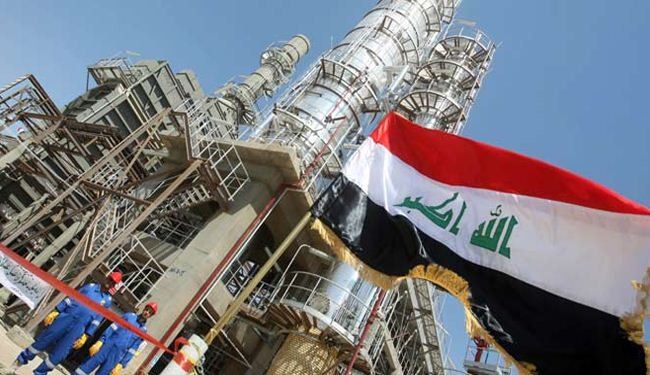
As the holder of the world’s fifth-largest proven oil reserves, Iraq’s energy sector is the indisputable backbone of its national economy, contributing over 90% of government revenue. However, the narrative is fundamentally changing. The strategic focus is shifting from simple crude exportation to a “Value-Added” model that prioritizes gas capture, power grid stability, and the nascent integration of renewable energy.
Table Of Content
The Hydrocarbon Pillar: Efficiency and Modernization
Iraq continues to leverage its low extraction costs to maintain its status as a global energy powerhouse.
- Upstream Optimization: Ongoing investments in “Giant” fields like Rumaila, West Qurna, and Majnoon focus on secondary recovery techniques and infrastructure upgrades to sustain long-term production plateaus.
- Export Infrastructure: Efforts are underway to modernize southern export terminals and subsea pipelines to ensure that Iraq can meet global demand with high reliability.
The “Gas Revolution”: Turning Waste into Wealth
For decades, Iraq has flared significant volumes of associated gas—a practice that represents both a massive economic loss and an environmental challenge. The Gas Growth Integrated Project (GGIP) is the cornerstone of the new strategy:
- Energy Sovereignty: By capturing flared gas, Iraq aims to fuel domestic power plants, drastically reducing the multi-billion dollar bill for imported gas and electricity.
- Petrochemical Synergy: Beyond power, captured gas provides the necessary feedstock for a revitalized petrochemical and fertilizer industry, essential for diversifying the industrial base.
The Transition to Renewables
To meet the rising demand of a growing population and align with global climate goals, Iraq is looking toward the sun.
- Solar Initiatives: Landmark agreements with international energy majors aim to add gigawatts of solar capacity to the national grid.
- Integrated Solutions: The government is encouraging “Hybrid” models where renewable sources complement traditional thermal power plants to stabilize the peak-load demand during the harsh summer months.
The Strategic Outlook for Investors
For stakeholders at Nidaba Capital Hub, the Iraqi energy sector offers a “Blue Ocean” of opportunities beyond traditional drilling:
- Downstream Expansion: Building and modernizing refineries to achieve self-sufficiency in refined petroleum products.
- Infrastructure Finance: Opportunities in transmission and distribution (T&D) to reduce technical losses and modernize the national grid.
- Sustainability Technology: High demand for carbon capture, emissions monitoring, and water-injection technologies.
Conclusion
Iraq is no longer just a “Crude Oil” story. The country is systematically restructuring its energy landscape to become a more balanced and sustainable producer. For the strategic investor, the real opportunity lies in the convergence of Iraq’s vast natural resources with modern technology and infrastructure. The transition from flaring to fueling and from oil-only to an energy-mix represents the next chapter of Iraq’s economic resurgence.
Author
No Comment! Be the first one.