


Introduction
Table Of Content
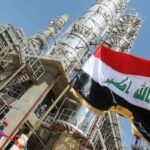
As one of the world’s leading oil producers, Iraq’s energy sector remains the primary engine of its national economy, accounting for over 90% of government revenue. However, the narrative is shifting. Today, the focus is expanding from merely increasing crude export capacity to addressing internal power shortages, capturing flared gas, and integrating renewable energy into the national grid.
Crude Oil: The Pillar of Stability
Iraq possesses some of the lowest extraction costs globally and holds the world’s fifth-largest proven oil reserves.
- Production Targets: With a focus on the southern giants like Rumaila and West Qurna, Iraq continues to modernize its upstream infrastructure to maintain a steady production plateau despite global market fluctuations.
- Infrastructure Upgrades: Significant investments are being channeled into export terminals and sea-water injection projects to sustain reservoir pressure and increase long-term recovery rates.
The Gas Challenge: Turning Waste into Wealth
One of the most critical shifts in Iraq’s strategy is the “Gas Growth Integrated Project” (GGIP). For years, Iraq has flared billions of cubic feet of associated gas—a practice that is both an economic loss and an environmental hazard.
- Energy Independence: By capturing associated gas, Iraq aims to fuel its domestic power plants, reducing reliance on expensive fuel imports.
- Investment Opportunities: Major international players are partnering with the Ministry of Oil to build gas processing hubs, transforming a byproduct into a valuable feedstock for electricity and petrochemicals.
Electricity and the Move Toward Renewables
The gap between peak demand and power generation remains a challenge, but the strategy is evolving:
- Solar Initiatives: Iraq has signed landmark agreements to develop large-scale solar parks. The goal is to integrate clean energy into the grid to meet the growing demand of an expanding population.
- Grid Modernization: Investment in transmission and distribution networks is essential to reduce technical losses and ensure that power reaches industrial and residential hubs efficiently.
The Strategic Outlook for Investors
For stakeholders at Nidaba Capital Hub, the Iraqi energy sector offers diverse entry points beyond traditional drilling:
- Downstream Development: Building refineries to meet domestic demand for refined products.
- Sustainability Technology: Carbon capture and emission reduction technologies as Iraq aligns with global climate goals.
- Infrastructure Finance: Public-Private Partnerships (PPP) in power generation and grid management.
Conclusion
Iraq is no longer just a “crude oil play.” The transition toward gas self-sufficiency and the nascent steps into solar energy represent a fundamental restructuring of the sector. For the strategic investor, the real opportunity lies in the “Energy Mix”—where traditional resources meet modern, sustainable solutions to power the next chapter of Iraq’s economic development.
Author

No Comment! Be the first one.