



Iraq’s Tourism Sector: Unlocking the Potential of the Cradle of Civilization
While mobile phones undoubtedly provide countless benefits and conveniences, their excessive and improper use brings with it a variety of negative effects and challenges that are often overlooked.

Introduction
For years, Iraq’s tourism sector was synonymous with religious pilgrimage. However, as the country stabilizes and opens its doors to the world, a new narrative is emerging. From the ancient ruins of Mesopotamia and the marshes of the South to the scenic mountains of the North, Iraq is positioning itself as a premier destination for cultural, adventure, and luxury tourism.
Table Of Content
The Three Pillars of Iraqi Tourism
The sector is currently defined by three distinct segments:
- Religious Tourism: This remains the backbone of the industry, with millions of pilgrims visiting Karbala and Najaf annually. The opportunity here lies in upgrading hospitality infrastructure and digital booking services.
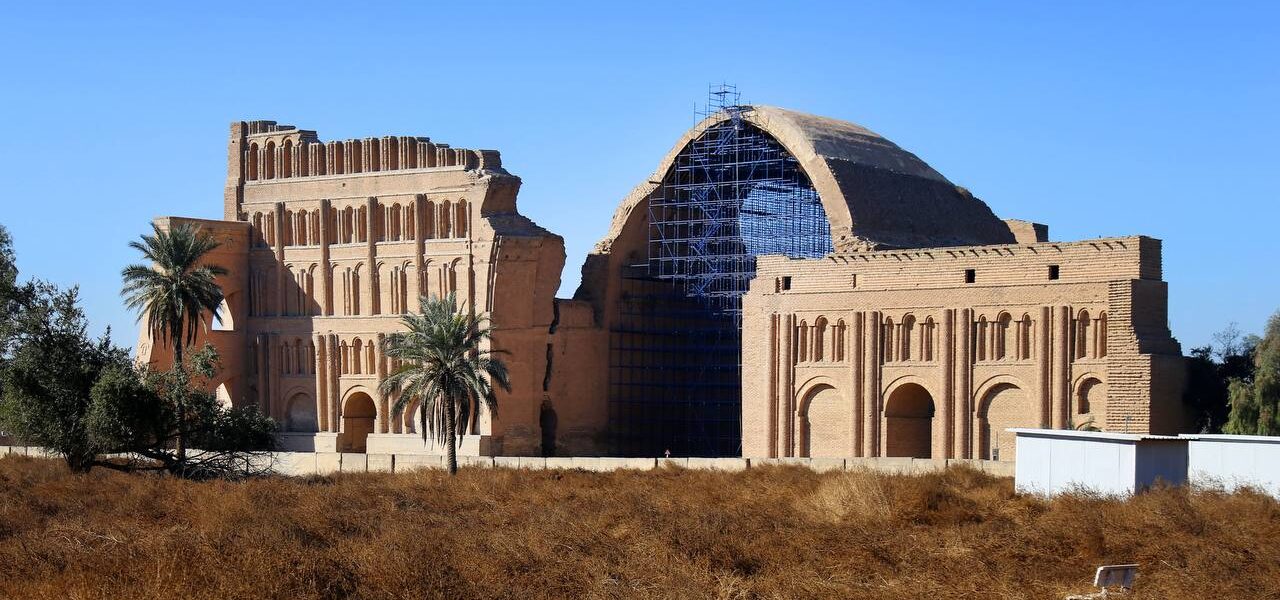
- Cultural and Archaeological Tourism: Home to six UNESCO World Heritage sites, including Babylon and Ur. There is a growing global interest in “experiential travel,” making Iraq’s 10,000+ archaeological sites a goldmine for specialized tour operators.
- Eco-Tourism and Nature: The Mesopotamian Marshes (The Ahwar) and the alpine landscapes of the Kurdistan Region offer unique opportunities for sustainable and adventure tourism, such as hiking, bird-watching, and eco-lodges.
The “Visa on Arrival” Revolution
The recent liberalization of visa policies for dozens of countries has been a game-changer. This policy shift has led to a significant increase in international explorers and Western tourists, creating an immediate demand for:
- High-End Hospitality: A shortage of 4-star and 5-star hotels that meet international standards.
- Professional Guide Services: A need for multilingual, certified guides and tech-driven platforms for tour management.
- Modern Transportation: Safe, reliable, and comfortable inter-city travel options specifically tailored for tourists.
Infrastructure: The Missing Link
To reach its full potential, the sector requires strategic investment in:
- Restoration and Site Management: Improving the visitor experience at heritage sites with museums, paved paths, and visitor centers.
- Aviation and Connectivity: Expanding the reach of national and private carriers to connect Baghdad and Erbil directly with European and Asian hubs.
- Digital Integration: Encouraging the growth of “Travel-Tech” startups that offer virtual tours, e-ticketing, and integrated travel insurance.
The Strategic Outlook for Investors
For stakeholders at Nidaba Capital Hub, tourism represents one of the highest-growth-potential sectors in the “New Iraq.” Entry points include:
- Boutique Hotels: Transforming heritage buildings in cities like Baghdad and Basra into high-end boutique accommodation.
- Recreational Real Estate: Developing resorts in the mountainous North or luxury camps in the Southern marshes.
- Training and Education: Establishing hospitality academies to train the next generation of Iraqi service professionals.
Conclusion
Tourism in Iraq is at an inflection point. By moving beyond a mono-dimensional religious model and embracing its status as the “Cradle of Civilization,” Iraq is set to become a focal point for global travelers. For investors, the first-mover advantage in this sector is significant, as the world begins to rediscover the wonders of Mesopotamia.
Author


No Comment! Be the first one.